
Seasonal Electrical Maintenance for Cleveland Homes
Wet springs, stormy summers and long winters each strain a house’s wiring in their own way. Most seasonal checks need only a test button; the rest belong to an electrician.
The homeowner’s part is testing and watching: GFCIs that trip and reset, alarms that sound, outlets that stay cool. None of it means taking a cover off; tightening connections or adding protection does, and that is an electrician’s work.
In Northeast Ohio the pressure points are wet basements in spring, surges from summer storms and older circuits loaded with space heaters in winter.
Plan the Checks Your House Needs
The checks come back by season, with an electrician’s work marked.
Tick what your house has, choose a season, then press Show My Checklist.
Seasonal Tasks and Who Handles Them
| Season | Task | Who | Why it matters |
|---|---|---|---|
| Spring | Pour water into the sump pit to test the pump | Homeowner | A pump on a tripped outlet fails silently, just as basements fill |
| Summer | Check surge protector lights after storms | Homeowner | A spent protector stops working with no other sign |
| Fall | Test smoke and CO alarms | Homeowner | The furnace starts and the windows close |
| Fall | Have an older panel checked for loose or scorched connections | Electrician | A loose connection heats up under load, and winter adds heaters |
| Winter | Plug space heaters straight into wall outlets | Homeowner | A 1,500-watt heater draws about 12.5 amps, most of a 15-amp circuit |
| Winter | Report branches over the service wires to the utility | Homeowner, then the utility | Ice and wind off the lake bring limbs down on the lines |
Testing GFCIs, AFCIs and Alarms
Their makers suggest testing monthly; once a season is the minimum.
GFCI and AFCI Protection
- Plug a lamp into the GFCI outlet and press TEST: the lamp, and anything on the outlets it protects, should go off.
- Press RESET until it latches. If TEST does nothing or RESET won’t hold, the GFCI needs replacing.
- On a GFCI or AFCI breaker, press TEST; it should trip. Reset it by pushing the handle fully to OFF, then ON.
- Reset anything feeding a sump pump, a freezer or a fridge at once, and check that it runs.
A GFCI or breaker that won’t stay reset has a fault behind it, with the same causes as when a breaker keeps tripping.
Smoke and CO Alarms
- Hold each test button until the alarm sounds. Interconnected alarms should all sound together.
- Read the date on the back: smoke alarms are replaced at ten years, CO alarms often sooner. Change batteries unless they’re sealed long-life units.
- Keep a smoke alarm on every level and in each bedroom, and CO alarms outside bedrooms in homes with gas appliances or an attached garage.
Storm and Outage Checklist
Before a Storm
- Charge phones and a power bank, and keep flashlights handy.
- Unplug computers and TVs on plain power strips with no surge protection.
- Start the generator outdoors to be sure it runs.
After a Storm or Outage
- Keep well away from downed wires; call the utility, or 911 if anyone is hurt.
- Stay out of a flooded basement if the water could reach outlets, cords or the panel.
- When power returns, switch big appliances on one at a time and check that the sump pump restarted.
- Lights that glow brighter while others dim can mean a damaged service neutral: turn off electronics and call the utility.
- If a limb tore the mast off the house, an electrician repairs it and the meter base before the utility reconnects.
Surges, Generators, Sump Pumps and Flooded Outlets
Does a whole-house surge protector replace power strips?
No, they work together. A protector at the panel limits surges arriving on the service wires, from nearby lightning or utility switching; plug-in strips catch smaller surges from motors inside the house. Nothing stops a direct strike, so unplug what you can’t replace when a storm is close.
Shoreway Electric installs whole-house surge protection at the panel, alone or with a panel upgrade.
Can a portable generator power the house through a dryer outlet?
No. A cord with a plug on each end sends power back through the house and onto the utility’s lines, where it can injure a line worker, and its exposed prongs are live. Run cords from the generator to the appliances instead, or have an electrician install a transfer switch or interlock.
Should a sump pump plug into a GFCI outlet?
Current code generally calls for GFCI protection on basement outlets, the sump pump’s included. Since a trip can stop the pump unnoticed, add a high-water alarm and ideally a battery backup. If the GFCI keeps tripping, look for a worn pump, a damaged cord or water in the box rather than moving the pump to an unprotected outlet.
What should I do if water reaches the outlets or the panel?
Stay out of the water. Switch off the main breaker if you can reach it from a dry spot; otherwise call the utility to cut power at the meter. Before the power goes back on, have an electrician check the circuits. Outlets, breakers and panels that sat in water are replaced, not dried out.
Outdoor Outlets, Covers and Lights

Outdoor outlets face rain, snow, hose spray and freeze-thaw cycles. Current code calls for GFCI protection, weather-resistant outlets and, in wet spots, an in-use “bubble” cover that closes over a plugged-in cord. Each spring, check that covers close without cracks and boxes sit tight to the wall; rust inside means water is getting in.
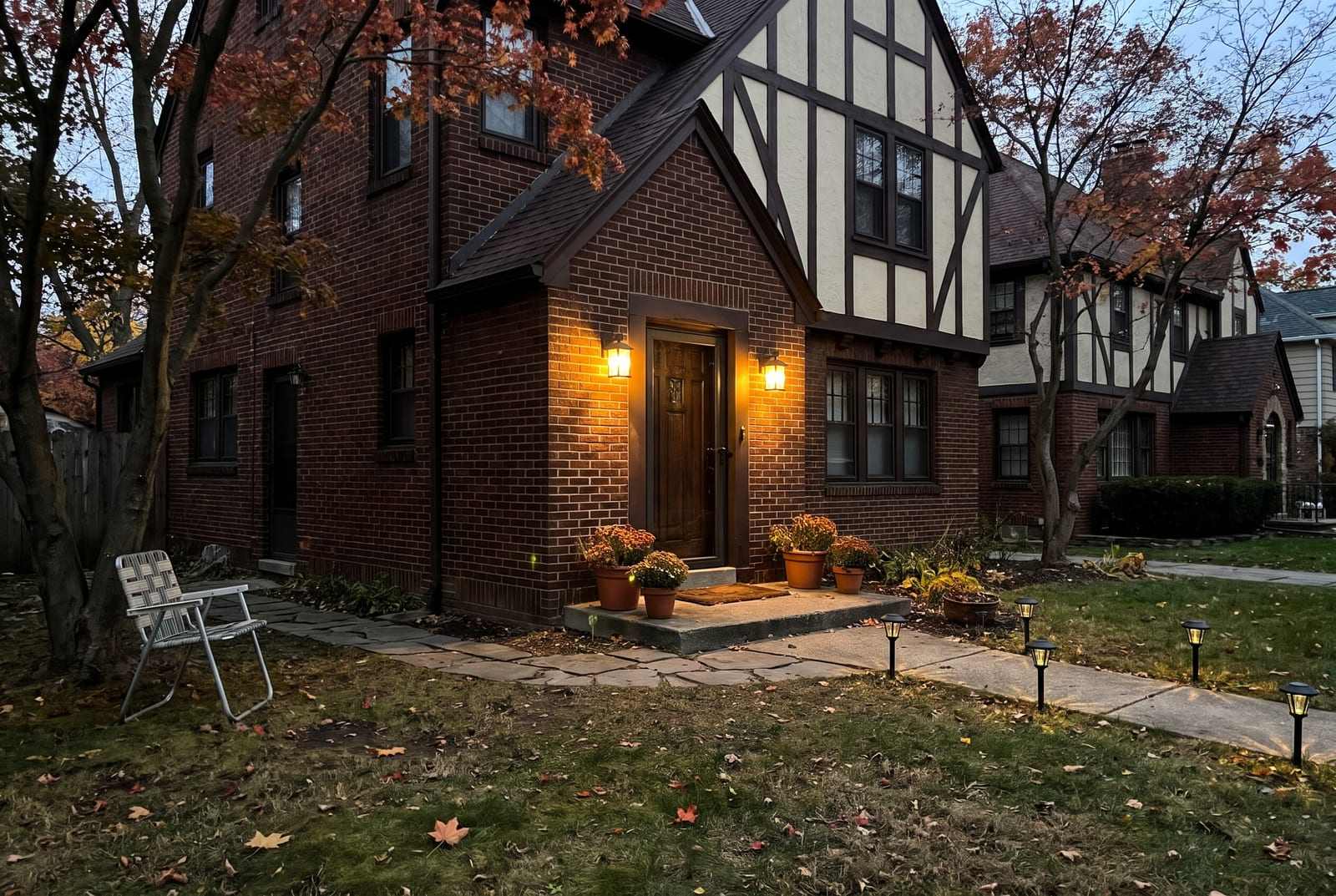
Landscape lights run at low voltage from a transformer on an outdoor outlet. Edging and aerating nick their buried cable, and a light that goes dim or dark often has a corroded connector. Heat cable for gutters or pipes needs a GFCI-protected outlet too.